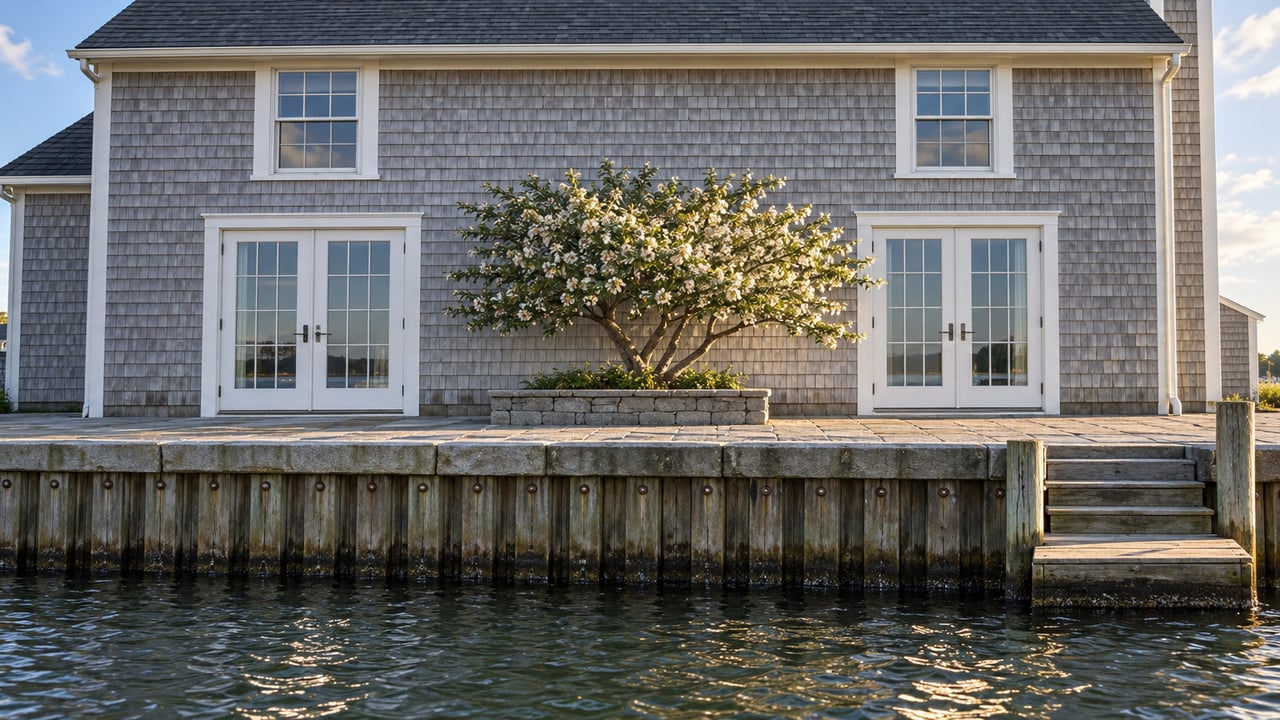
Long Beach Doesn't Run on Nassau County's Tax Clock, and Waterfront Buyers Notice First
October 1, 2026
October 1, 2026
Nassau County publishes one property tax grievance calendar for its towns and villages. Long Beach follows a separate process because Long Beach isn't a town or a village. The Maidenbaum Tax page identifies Long Beach and Glen Cove as the only two Nassau County localities with their own City tax assessments, and that status comes with Long Beach's own assessor, its own roll, and its own filing window that has nothing to do with the county-wide dates most homeowners assume apply everywhere on the Island.
The gap between those two calendars is not a footnote. For anyone closing on a home in Long Beach this fall, especially a canal or bayfront property where a bulkhead or dock has recently changed hands with a permit attached, it can mean the difference between catching your grievance window and missing it by ten weeks.
Nassau County has dozens of towns, hamlets, and incorporated villages, and nearly all of them fall under the county's Assessment Review Commission for property valuation and grievance filings. Long Beach and Glen Cove are the exceptions. Both are chartered cities, and both maintain their own assessing units rather than defer to the county roll. That means Long Beach's Tax Assessor's office, not the county ARC, sets the assessed values that determine city, school, and county tax bills for every property inside city limits.
This is not a distinction most people encounter until they own property here. A buyer relocating from Merrick or Rockville Centre, both under the standard county process, has no reason to know that Long Beach handles this differently. The Long Beach Tax Assessor's page describes the city's process.
The practical difference is the size of the window. For the 2026/27 tax year, Nassau County's Assessment Review Commission ran its grievance filing period from January 2 through March 31, a roughly three month stretch that gave homeowners across most of the county time to pull comparable sales, review their tentative assessment, and decide whether to file.
Long Beach compressed that same decision into a fraction of the time. The city's own filing period for the 2026 roll ran from January 2 through January 20, and the next cycle opens January 4 and closes January 19, 2027. That is a window measured in weeks, not months, and it typically falls before many county-wide reminders about grievance season have even gone out.
| Nassau County ARC (towns and villages) | City of Long Beach | |
|---|---|---|
| Assessing authority | County Assessment Review Commission | City Tax Assessor's office |
| Most recently completed window | January 2 to March 31, 2026 | January 2 to January 20, 2026 |
| Next filing window | Opens January 2027 | January 4 to January 19, 2027 |
| Applies in | Most Nassau towns and villages | Long Beach only |
Firms that specialize in Long Island tax grievances draw the same line. One firm that files both county and city grievances describes Long Beach and Glen Cove as the two Nassau localities with genuine "City" taxes, each running its own assessing calendar with its own deadline, typically landing on the third Tuesday of the grievance month. General tax-relief sites built for county-wide audiences don't always carry that distinction, and a homeowner who trusts a generic March 31 deadline for a Long Beach property may miss the city's filing window.
This timing quirk matters most for buyers looking at the Canals and West End, where waterfront infrastructure work is common and recent. Current listings in these sections routinely advertise a newly replaced bulkhead, a rebuilt dock, or a home brought up to FEMA compliance as selling points, the same way a renovated kitchen or a finished basement would be marketed elsewhere. Bulkhead and dock work in Long Beach requires permits from the city and, depending on scope, from the New York State Department of Environmental Conservation, which means the paper trail for that improvement exists on record before the sale ever closes.
An assessing office building its tentative roll each year works from exactly that kind of paper trail. A bulkhead brought up to base flood elevation, a new dock, or a full FEMA-compliant rebuild is the type of permitted capital work that can show up in a revised assessed value the following January, the same month the city's own three-week grievance window opens. A buyer who closes on a freshly upgraded waterfront property in the fall and assumes they have until spring to review the new number may find that the number was already set, and the window to challenge it already closed, weeks before they thought to look.
The city's own North Shore Bulkhead Project page lays out how bulkhead height and construction responsibilities work along the Canals and West Bay Drive, useful reading for anyone evaluating a waterfront purchase regardless of the tax timing question. The Building Department's permit page covers which home improvements require city sign-off before work begins, which is worth checking against any recent upgrade a seller points to during a showing.
The current market gives this timing question more weight than it would carry in a flat year. Over the three months ending August 2026, Long Beach's median sale price ran $777,000, down 8.9 percent from the same period a year earlier, with price per square foot at $552, down 11.2 percent year over year. Homes are also taking longer to sell, a median of 45 days as of August 2026 compared with 36 days a year prior, even as sales volume ticked up to 101 closings that month versus 92 the year before.
Waterfront pricing has held a premium against that softer citywide trend. As of the end of August 2026, there were 81 waterfront homes on the market in Long Beach carrying a median listing price of $887,000, with typical time on market running longer, around 71 days, and an average of five offers per listing.
Put those two data points together and the incentive becomes clear. In a market where overall prices are cooling but waterfront listings still draw multiple offers, a seller with a recently replaced bulkhead or a FEMA-compliant rebuild has real reason to lean on that improvement as a pricing argument. That same improvement is exactly what can nudge an assessed value upward the following January, inside a filing window most buyers don't know is three weeks long rather than three months.
Does the county's March 31 grievance deadline apply if I buy in Long Beach? No. Long Beach runs its own assessing unit separate from the Nassau County Assessment Review Commission, and its filing window is set by the city, typically closing in mid to late January rather than at the end of March.
Is Glen Cove the only other city with this setup? Yes. Long Beach and Glen Cove are the two incorporated cities in Nassau County that maintain independent property assessments rather than following the county roll.
Can filing a grievance ever raise my assessment? No. The Tax Relief Pro says filing cannot increase an assessment.
Waterfront property in Long Beach comes with real advantages and a few mechanics that don't show up on a listing sheet. If you're comparing a Canals home against something in Island Park or Lido Beach, or trying to time a closing around the city's own grievance window, Lucky To Live Here can walk through what a specific property's recent permit history and assessment timeline actually mean before you write an offer.
This article is general information, not legal, tax or financial advice. Consult a qualified professional about your situation.

Community
Long Island Storm Safety

Seasonal
Celebrate fall on LI with festivals and more!

Seasonal
Festivals, Pumpkins, Hay Rides, Mazes & More!

Seasonal
Halloween events, corn mazes and haunted houses on LI

Real Estate
Does it make a difference when buying or selling a home?
Lucky to Live Here Realty is built on the skills, passions, and track records of top selling Real Estate Agents who call Long Island home. Known for their community driven efforts, strong social presence, innovative marketing, and wealth of knowledge about the local Real Estate market.

LUCKY TO LIVE HERE AT SERHANT.
129 Main St Cold Spring Harbor, NY 11724